
In heavy industry, from mining to chemical manufacturing, filtration is often viewed as a simple operational necessity – a cost center required to manage waste streams. However, this perspective overlooks a significant opportunity. Advanced solid-liquid separation technology is not just an expense; it is a powerful value-creation engine. The key to unlocking this potential lies in a comprehensive understanding of Filtration ROI, a metric that goes far beyond the initial purchase price.
For plant managers and executives oriented to the future, the focus is shifting from capital expenditure (CAPEX) to a holistic view of performance, efficiency, and long-term profitability. An investment in superior dewatering technology can dramatically reduce operational expenditures (OPEX), enhance sustainability, and deliver a compelling return that strengthens the entire balance sheet.
This guide provides a framework for evaluating the true financial impact of your filtration system. We will explore the key variables that drive costs, identify the levers for maximizing returns, and demonstrate how a strategic partnership with Diemme Filtration helps we multiply your value.

Beyond CAPEX: Understanding the Total Cost of Ownership (TCO)
The initial price tag of a filter press is just one piece of the puzzle. A true Filtration ROI calculation begins with an analysis of the Total Cost of Ownership (TCO), which encompasses both the initial investment and all ongoing operational costs. In many cases, OPEX can dwarf the initial CAPEX over the life of the equipment, making it the most critical area for optimization.
Key components of filtration OPEX include:
- Energy Consumption: The power required to operate pumps, hydraulic systems, and automated components.
- Water Usage & Recovery: The costs associated with purchasing fresh water and treating wastewater.
- Maintenance & Consumables: Scheduled and unscheduled repairs, spare parts, and the replacement of wear items like filter cloths.
- Labor Costs: The personnel hours required for operation, monitoring, and maintenance.
- Waste Disposal & Transport: The significant and often volatile costs of transporting and disposing of dewatered filter cake.
Reducing these expenditures is the foundation of a strong ROI, and it begins with deploying technology designed for peak efficiency.
Key Levers for Maximizing Your Filtration ROI
Achieving exceptional ROI is not about a single feature but a combination of engineered advantages working in synergy. Here are the primary areas where advanced filtration technology delivers measurable financial returns.
Driving Down Dewatering Costs Through Superior Cake Dryness
The single most impactful factor in dewatering OPEX is the final moisture content of the filter cake. A small percentage point reduction in moisture can lead to exponential cost savings.
- Reduced Transport & Disposal Fees: Since disposal and transport services are typically priced by weight, every kilogram of water removed is a direct cost saving. For example, in a large-scale mining operation producing thousands of tons of tailings daily, reducing cake moisture from 25% to just 18% can eliminate hundreds of tons of water weight, translating into millions of dollars in savings annually. Diemme Filtration’s GHT filter presses are engineered to achieve this exceptional level of mechanical dewatering.
- Waste Valorization: Extremely dry and inert filter cake is not just waste; it’s a potential resource. In the mining industry, this “dry stack” tailings material can be used as structural backfill, turning a costly liability into a valuable asset and furthering sustainability goals.
Maximizing Water Recovery for Savings and Sustainability
Water is a critical and increasingly expensive resource. Efficient solid-liquid separation is fundamental to any industrial water recycling program.
By maximizing the amount of clear filtrate recovered from the slurry, plants can significantly reduce their reliance on fresh water sources. This creates a dual benefit:
- Lower Water Procurement Costs: Reduced intake from municipal or natural sources directly cuts utility expenses.
- Reduced Wastewater Treatment Costs: Returning clean water directly into the process loop minimizes the volume of effluent that requires costly treatment before discharge.
This commitment to water circularity is not only financially prudent but also essential for meeting corporate ESG (Environmental, Social, and Governance) targets.
The Financial Impact of Automation and IIoT
Labor costs and human error can weigh heavily on a plant’s profitability. Modern filtration solutions leverage automation to create a safer, more consistent, and less labor-intensive operation.
- Optimized Labor: Fully automatic cycles, cloth washing, and cake discharge minimize the need for operator intervention. This allows highly skilled personnel to be reallocated from routine monitoring to more value-added activities.
- Process Intelligence with AIDA: Diemme Filtration’s IIoT (Industrial Internet of Things) platform, AIDA, acts as a virtual system tutor. It uses real-time data to monitor performance and optimize filtration parameters, ensuring the system is always running at peak efficiency. This prevents energy waste, ensures consistent cake dryness, and provides valuable data for assertive decision-making.
Explore how our automation solutions, including the AIDA IIoT Platform, can streamline your operations.
Engineering for Longevity: Reducing Maintenance OPEX
Downtime is a direct hit to the bottom line. The reliability and durability of a filter press are central to its long-term financial performance. Our philosophy is built on an attention to details in design and manufacturing.
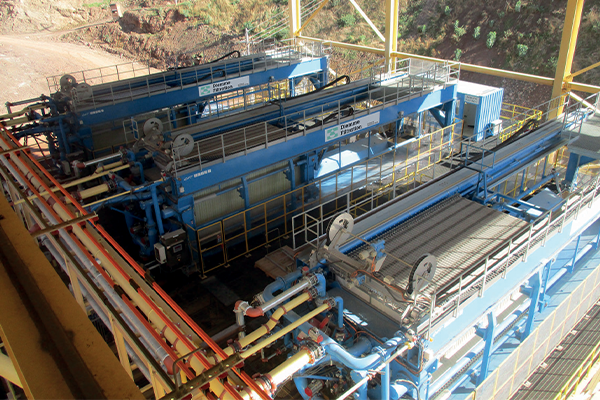
- Robust Construction: The GHT filter press utilizes a “total traction” closing system where four hydraulic cylinders pull the headers closed, subjecting the tie beams to pure tension. This intelligent design avoids transmitting stress to the main frame, preventing structural deformation and ensuring a long operational life.
- Simplified Maintenance: Innovations like the simplified filter cloth design on the GHT5000F Domino reduce operating costs by about 20% and make replacement faster. Features such as integrated access platforms further ensure maintenance is convenient and safe.
The Diemme Filtration Partnership: Beyond the Machine
The highest ROI is achieved when the filtration solution is perfectly matched to the unique characteristics of your process. This is why Custom Engineering is at the heart of our approach. We don’t just sell machines; we build partnerships. Our process begins with a deep analysis of your slurry, operational goals, and financial targets to design and manufacture a tailored solid-liquid separation system that guarantees optimal performance. It’s a commitment to excellence where Trust Never Ends.
Discover our full range of advanced filter presses designed to maximize your return on investment.
Conclusion: Filtration as a Strategic Investment
Viewing dewatering technology through the lens of Filtration ROI transforms it from a necessary evil into a strategic asset. By focusing on TCO and leveraging the efficiencies of advanced engineering, automation, and robust design, you can unlock significant financial returns. A modern filter press is an investment in lower operating costs, enhanced sustainability, and long-term competitive advantage.
Ready to quantify the potential ROI for your operation? Contact the Diemme Filtration experts today for a comprehensive analysis of your process.
Frequently Asked Questions (FAQ)
- What is the typical payback period for a new industrial filter press?
The payback period varies significantly based on the application, scale, and slurry characteristics. However, for operations with high disposal costs or significant water usage, the substantial OPEX savings generated by a high-efficiency Diemme Filtration press can often lead to a payback period of 3-5 years.
- How does the type of slurry affect potential dewatering cost savings?
Slurry characteristics are critical. Abrasive or corrosive slurries can dramatically increase maintenance costs on poorly designed equipment, making a robust, custom-engineered solution more valuable. For slurries with high water content, the potential savings on transport and disposal from achieving maximum cake dryness are immense, making the ROI case even stronger.
- Can I retrofit my existing plant with modern automation and IIoT features?
Yes, in many cases it is possible to upgrade existing filtration systems with modern automation controls and IIoT platforms like AIDA. A retrofit can be a cost-effective way to improve efficiency, reduce labor costs, and gain better control over your dewatering process without replacing the entire machine. Contacting our team is the best way to assess the feasibility for your specific equipment.